Home Blog Page 3

Understanding Local Authority Procurement in the UK: A Comprehensive Guide

Local authority procurement in the UK is a crucial process through which public sector organizations, such as councils and government bodies, purchase goods, services, and works to deliver essential services to their communities. The procurement process helps ensure that taxpayer money is spent efficiently and transparently. In this article, we’ll explore what local authority procurement is, its key components, the regulations governing it, and how businesses can get involved.
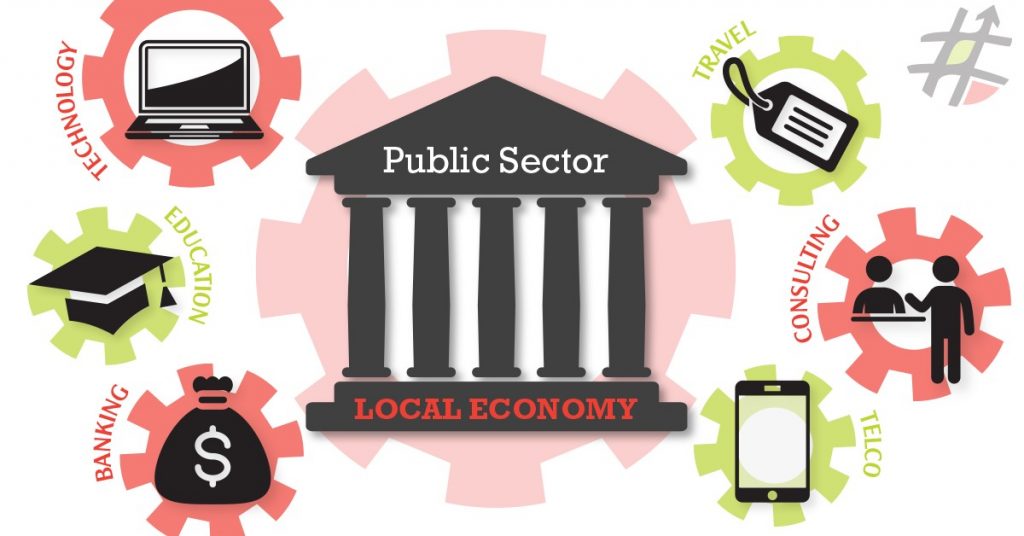
What is Local Authority Procurement?

Local authority procurement refers to the process through which local government bodies—such as city councils, county councils, and other public sector institutions—acquire the goods, services, and works needed to carry out their functions. This includes everything from buying office supplies to commissioning large infrastructure projects like roads, schools, and hospitals.

The aim of local authority procurement is to meet the needs of the public sector while ensuring that the process is fair, transparent, and offers the best value for money.

Why is Local Authority Procurement Important?

Local authority procurement plays a vital role in delivering services and infrastructure that communities depend on. Without an effective procurement process, public sector organizations may struggle to meet the needs of their communities, leading to inefficiencies, overspending, and potential public backlash.

Additionally, proper procurement ensures the responsible and ethical use of taxpayers’ money, compliance with relevant regulations, and supports the broader goals of sustainability, social value, and innovation.

Key Components of Local Authority Procurement

Local authority procurement can be divided into several key components:

1. Needs Assessment

Before any procurement begins, local authorities must conduct a needs assessment to understand the specific requirements of their community. This may involve consulting with stakeholders, such as service users, local businesses, and community organizations, to determine what goods, services, or works are needed.

2. Procurement Strategy

Once the needs are identified, a procurement strategy is developed. This strategy outlines how the procurement will be conducted, the budget allocated, timelines, and how success will be measured. The strategy also sets out whether the procurement will be open to all suppliers or if it will be restricted to specific suppliers based on certain criteria.

3. Tendering Process

After the strategy is in place, the authority will issue a tender. A tender is an invitation for suppliers to submit their proposals to provide the required goods, services, or works. Tenders can be published through various platforms, such as the UK’s Contracts Finder or other tender portals.

The tender documents provide details about the work to be done, the terms and conditions, and any criteria for selection. Businesses that wish to compete for a contract must submit their bids, which are evaluated based on factors like price, quality, experience, and compliance with legal and environmental standards.

4. Evaluation and Award

Once all bids are received, the authority evaluates the proposals against pre-determined criteria. This evaluation may include reviewing the supplier’s financial stability, capacity to deliver the work, track record, and adherence to legal obligations.

Once the evaluation is complete, the winning bidder is selected, and a contract is awarded. In some cases, local authorities may also enter into framework agreements, which allow suppliers to be selected for multiple projects over a set period.

5. Contract Management

After the award, the contract management phase begins. Local authorities are responsible for monitoring the supplier’s performance to ensure that they meet the agreed-upon terms. This phase may involve regular reporting, audits, and checks to ensure that the goods or services are delivered on time, within budget, and to the required standards.

Regulations Governing Local Authority Procurement

Local authority procurement in the UK is governed by a range of regulations to ensure transparency, fairness, and accountability. The key regulations include:

1. The Public Contracts Regulations 2015

These regulations implement EU public procurement law into UK law and establish the procedures that public sector organizations must follow when purchasing goods, services, or works. The regulations set out rules on how contracts should be advertised, the selection process, and the principles of non-discrimination and equal treatment.

2. The Local Government Act 1999

The Local Government Act requires local authorities to ensure that their procurement activities deliver value for money and reflect the needs and interests of the community. The Act also encourages local authorities to improve their procurement practices and ensure that public funds are used effectively.

3. Social Value Act 2012

The Social Value Act requires public authorities to consider the broader social, economic, and environmental benefits of a contract during the procurement process. Local authorities must assess how a supplier’s offer will contribute to local communities and achieve wider social goals, such as reducing carbon emissions, promoting employment, or enhancing social cohesion.

How Businesses Can Get Involved in Local Authority Procurement

Businesses, especially SMEs (Small and Medium Enterprises), can benefit significantly from local authority procurement contracts. To participate in these procurement opportunities, businesses should consider the following steps:

1. Register on Procurement Platforms

Local authorities often use procurement portals to advertise contracts. Businesses should register on platforms such as Contracts Finder or Sell2Wales to access available tender opportunities and stay updated on procurement news.

2. Understand the Tendering Process

Before bidding for contracts, businesses must familiarize themselves with the tendering process. This includes understanding the specific requirements, reviewing previous successful bids, and ensuring they can meet the criteria.

3. Build Relationships

Networking and building relationships with local authorities or other suppliers in the public sector can help businesses understand the procurement needs better. It’s also beneficial to attend supplier events and workshops where you can learn more about upcoming opportunities.

4. Focus on Quality and Compliance

In addition to offering competitive pricing, businesses must focus on delivering high-quality services or products and meeting all legal and regulatory requirements. Demonstrating compliance with health and safety standards, environmental practices, and equality regulations is crucial for securing contracts.


Essential Compliance Tips for Bidding on UK Government Contracts

Winning a UK government contract can be a game-changer for businesses, providing long-term revenue and credibility. However, public procurement is highly regulated, and compliance with legal and procedural requirements is crucial. Failing to meet compliance standards can result in disqualification or legal challenges.

This guide outlines essential compliance tips for businesses bidding on UK government contracts, helping you navigate the process smoothly and maximize your chances of success.

1. Understand the UK Public Procurement Framework

The UK’s procurement rules ensure fairness, transparency, and value for money in government contracting. Key regulations include:

Procurement Act 2023 – The UK’s new legal framework for public procurement.

Find a Tender Service (FTS) – The primary platform for UK public procurement notices.

Public Contracts Regulations 2015 – The legal structure governing procurement processes before Brexit.

Social Value Model – Requires public contracts to consider social, economic, and environmental benefits.

📌 Tip: Stay updated on changes in procurement laws to ensure your bids meet current requirements.

2. Check Your Eligibility Before Bidding

Before investing time and resources in a bid, check if your business meets the basic eligibility criteria, such as:

Being a registered and legally compliant business.

Having financial stability (e.g., positive credit rating, no major debts).

Meeting industry-specific accreditations (e.g., Cyber Essentials for IT services).

Having a clean compliance record (no history of fraud, corruption, or non-performance in previous contracts).

📌 Tip: Carefully read the tender requirements and ensure your business qualifies before proceeding.

3. Register on Key Procurement Portals

To access UK government contracts, register on relevant procurement portals:

Find a Tender Service (FTS) – For high-value contracts.

Contracts Finder – For lower-value government contracts.

Crown Commercial Service (CCS) – For framework agreements and supplier registration.

Local procurement platforms – For regional or sector-specific tenders.

📌 Tip: Set up email alerts on these platforms to receive notifications about new opportunities.

4. Maintain Accurate and Up-to-Date Documentation

Government contracts require businesses to provide extensive documentation. Ensure your paperwork is accurate, current, and compliant with procurement standards.

Common required documents include:

Company registration and financial statements

Insurance certificates (e.g., public liability, employer’s liability, professional indemnity)

ISO certifications (if applicable to your industry)

Health and safety policies

GDPR compliance documentation (for data handling contracts)

📌 Tip: Create a compliance checklist and keep a digital folder of all necessary documents for quick access during bids.

5. Follow the Evaluation Criteria Closely

Each tender has specific evaluation criteria, which determine how bids are scored. Common factors include:

Price and value for money

Quality of service and innovation

Sustainability and environmental impact

Social value contributions

Past performance and relevant experience

📌 Tip: Align your bid with the evaluation criteria and clearly demonstrate how your business meets each requirement.

6. Comply with Social Value Requirements

The UK government now prioritizes social value in procurement. Bidders must show how they contribute to broader societal benefits, such as:

Local job creation and apprenticeships

Reducing environmental impact

Diversity and inclusion initiatives

Supporting local communities

📌 Tip: Include measurable examples of how your business delivers social value to strengthen your bid.

7. Ensure Cybersecurity Compliance (for Digital Contracts)

If you’re bidding on government contracts involving IT services, data handling, or digital security, you must comply with cybersecurity standards such as:

Cyber Essentials Certification (mandatory for government suppliers handling sensitive data)

ISO 27001 Certification (for businesses managing large-scale IT security)

GDPR Compliance (for handling personal data securely)

📌 Tip: Obtain Cyber Essentials certification in advance to avoid delays in digital contract bids.

8. Submit a Clear, Concise, and Compliant Bid

Your bid submission must be well-structured, clear, and fully compliant with the tender’s requirements.

Key elements of a strong bid:

✔️ Executive summary – A brief overview of your proposal. ✔️ Understanding of the contract requirements – Demonstrate your knowledge of the project. ✔️ Proposed solution – Explain how your business will deliver the service. ✔️ Pricing breakdown – Provide transparent and competitive pricing. ✔️ Experience and case studies – Highlight past successes and relevant expertise. ✔️ Compliance statements – Confirm adherence to legal, ethical, and technical requirements.

📌 Tip: Avoid generic responses—tailor your bid to the specific contract and buyer’s needs.

9. Meet All Deadlines and Submission Requirements

Government tenders have strict submission deadlines. Late or incomplete bids are automatically disqualified.

📌 Tip:

Set internal deadlines at least a week before the official submission date.

Use procurement portals correctly—double-check file formats and word limits.

Keep a copy of all submission documents for reference.

10. Prepare for Post-Bid Clarifications and Audits

After submission, procurement teams may request additional clarifications or audits. Ensure you’re prepared by:

Assigning a bid manager to handle queries.

Keeping all supporting documents organized.

Being ready for interviews or presentations if required.

📌 Tip: Respond promptly and professionally to any requests for additional information.

A Guide to the UK’s Find a Tender Service (FTS) for Procurement Notices

The UK’s Find a Tender Service (FTS) is the central online platform for public procurement notices. Introduced after Brexit, it replaced the Official Journal of the European Union (OJEU) as the primary source for UK government contract opportunities. For businesses looking to secure public sector contracts, understanding how FTS works is essential.

This guide explains what the Find a Tender Service is, how it operates, and how businesses can use it to identify and win procurement opportunities.

1. What Is the Find a Tender Service (FTS)?

FTS is an online procurement portal where public sector bodies in the UK publish high-value contract notices. It was launched on January 1, 2021, as part of the UK’s post-Brexit procurement reforms.

Why Was FTS Introduced?

Before Brexit, UK contract notices above certain thresholds had to be published on the Official Journal of the European Union (OJEU). However, after leaving the EU, the UK developed its system to streamline procurement and focus on local suppliers.

Who Uses FTS?

  • Government departments (e.g., NHS, MOD, local councils)
  • Public sector organizations (e.g., universities, transport authorities)
  • Suppliers and businesses looking to bid for government contracts

2. How Does the Find a Tender Service Work?

FTS is an easy-to-use digital platform that allows businesses to search, track, and apply for public contracts. It ensures procurement transparency and provides a fair bidding process for suppliers.

Key Features of FTS:

  • Searchable contract database: Businesses can find tenders by sector, location, or keyword.
  • Real-time notifications: Users can set up alerts for relevant opportunities.
  • Direct links to procurement documents: Access full tender specifications and requirements.
  • Compliance with UK procurement laws: Aligns with the Procurement Act 2023.

How to Access FTS:

  1. Visit Find a Tender Service.
  2. Use the search bar to look for contracts relevant to your industry.
  3. Set up email alerts for new opportunities.
  4. Register for an account to manage bids more effectively.

3. Differences Between FTS and OJEU

Understanding how FTS differs from OJEU is crucial for businesses adapting to the post-Brexit procurement landscape.

FeatureFind a Tender Service (FTS)Official Journal of the European Union (OJEU)
CoverageUK public sector contractsEU-wide public contracts
Launch DateJanuary 1, 2021Pre-Brexit, used for UK procurement
Registration Required?No (but recommended for alerts)No
LanguageEnglishMultiple EU languages
ThresholdsUK-specific rulesEU thresholds applied

What This Means for Businesses

UK businesses looking for domestic contracts should use FTS.

Those seeking EU contracts must still check TED (Tenders Electronic Daily), the OJEU equivalent.

Non-UK suppliers interested in UK tenders can still bid but must follow UK procurement laws.

4. Contract Thresholds for FTS

Procurement notices published on FTS must meet certain value thresholds. These thresholds are reviewed periodically and are different for central government, local authorities, and utilities.

Type of ContractCentral GovernmentLocal Authorities & Public SectorUtilities & Defence
Goods & Services£138,760£213,477£426,955
Works (Construction)£5,336,937£5,336,937£5,336,937
Concession Contracts£5,336,937£5,336,937£5,336,937

Note: Lower-value contracts are listed on Contracts Finder, a separate portal for tenders below the FTS threshold.

5. How to Use FTS to Find Opportunities

Step 1: Define Your Search Criteria

Use keywords related to your industry.

Filter results by region, sector, or contract value.

Step 2: Set Up Email Alerts

Register for an account to receive updates on relevant tenders.

Adjust settings to get daily or weekly notifications.

Step 3: Download Tender Documents

Each notice includes documents outlining the requirements and bidding process.

Read carefully to determine eligibility.

Step 4: Prepare a Competitive Bid

Ensure compliance with UK procurement rules.

Focus on quality, value for money, and social impact.

Provide clear case studies or evidence of past performance.

Step 5: Submit Your Application

Follow the instructions on the procurement notice.

Use the designated submission platform (e.g., a government procurement portal).

6. Tips for Winning Government Contracts on FTS

1. Understand UK Procurement Rules

Stay updated on the Procurement Act 2023.

Ensure compliance with ethical and sustainability requirements.

2. Highlight Social Value

Many UK contracts now consider social value (e.g., local employment, environmental impact).

Demonstrating a commitment to social responsibility can improve your chances.

3. Register on Multiple Procurement Platforms

Find a Tender Service (FTS): For high-value contracts.

Contracts Finder: For lower-value government contracts.

Crown Commercial Service (CCS): For framework agreements.

4. Build Strong Relationships with Buyers

Attend market engagement events.

Engage with procurement officers to understand future opportunities.

5. Improve Your Bid Writing Skills

Ensure your bid is clear, concise, and aligned with buyer needs.

Avoid jargon and focus on value for money.

Differences Between UK and EU Procurement Laws: What You Need to Know

Public procurement laws govern how governments and public bodies purchase goods, services, and works. Before Brexit, the UK followed EU procurement directives, ensuring a uniform approach across all member states. However, since leaving the EU, the UK has developed its procurement framework, introducing key differences from EU regulations.

For businesses looking to engage in public procurement in the UK and the EU, understanding these differences is crucial. This guide explores the key variations between UK and EU procurement laws and how they impact suppliers.

1. Regulatory Frameworks: UK vs. EU

EU Procurement Laws

The EU follows a standardized approach to procurement through the Public Procurement Directives. These include:

Directive 2014/24/EU (on public sector procurement)

Directive 2014/25/EU (on utilities procurement)

Directive 2014/23/EU (on concession contracts)

These rules ensure transparency, competition, and non-discrimination across all EU member states.

UK Procurement Laws

After Brexit, the UK moved away from these directives, introducing its own set of regulations. The most significant legislative change is the Procurement Act 2023, which aims to simplify and streamline procurement processes. The UK still follows principles of transparency and fairness but has introduced more flexible and SME-friendly rules.

2. Procurement Portals: OJEU vs. Find a Tender Service (FTS)

EU System: Official Journal of the European Union (OJEU)

Before Brexit, all high-value UK contracts were published on OJEU.

The OJEU system ensures EU-wide competition for contracts above threshold values.

UK System: Find a Tender Service (FTS)

Since January 1, 2021, the UK replaced OJEU with the Find a Tender Service (FTS).

High-value contracts in the UK are now published on FTS, making it the primary platform for suppliers.

Lower-value contracts are listed on Contracts Finder and local government websites.

Impact on Businesses:

UK businesses bidding for UK contracts only need to monitor FTS, not OJEU.

UK suppliers seeking EU contracts still need to register on TED (Tenders Electronic Daily), the EU’s procurement portal.

3. Flexibility in Procurement Procedures

EU Procurement Rules: Strict Procedures

EU directives require strict adherence to formal procurement procedures, including:

Open, Restricted, and Competitive Dialogue Procedures

Negotiated Procedures with and without Prior Publication

Innovation Partnerships

These structured processes ensure non-discriminatory competition but can be bureaucratic and time-consuming.

UK Procurement Rules: More Flexibility

Under the Procurement Act 2023, the UK has introduced:

Simplified procedures to reduce administrative burdens.

Faster procurement for urgent needs (e.g., in emergencies like the COVID-19 pandemic).

More discretion for public sector buyers to award contracts based on innovation and social value.

Impact on Businesses:

UK procurement is now more adaptable, especially for SMEs.

EU procurement remains highly structured, requiring businesses to follow complex tendering processes.

4. Treatment of SMEs and Local Suppliers

EU Approach: Equal Treatment Across Member States

The EU’s procurement laws emphasize non-discrimination, meaning all EU-based businesses must be treated equally. Governments cannot favor local businesses over suppliers from other EU countries.

UK Approach: Supporting Local and SME Suppliers

Post-Brexit, the UK government has:

Increased its commitment to awarding more contracts to SMEs.

Allowed for greater preference for UK-based businesses where legally possible.

Encouraged contracting authorities to break large contracts into smaller lots to support SMEs.

Impact on Businesses:

SMEs in the UK now have more opportunities to win public contracts.

In the EU, businesses must compete on a level playing field across all member states.

5. Social Value Considerations

EU Social Criteria

The EU’s procurement rules require contracts to consider:

Environmental sustainability

Labor rights and fair wages

Ethical sourcing

However, economic considerations (like lowest cost) often take precedence over social value.

UK Social Value Model

The UK now mandates that all major public contracts include social value criteria, focusing on:

Sustainability and reducing carbon emissions

Job creation and economic benefits for communities

Ethical sourcing and diversity in supply chains

Impact on Businesses:

UK businesses bidding for public contracts should highlight social value contributions.

In the EU, while social criteria exist, pricing and competition remain the dominant factors.

Contract Award Criteria and Evaluation

EU Approach: MEAT (Most Economically Advantageous Tender)

Contracts are awarded based on cost-effectiveness and quality.

Strong focus on technical specifications and compliance.

UK Approach: Greater Emphasis on Value and Performance

The Procurement Act 2023 allows more flexibility in awarding contracts based on innovation and supplier performance.

Greater use of past performance evaluation to determine contract awards.

Public sector buyers can now negotiate more freely with suppliers.

Impact on Businesses:

UK businesses should focus on demonstrating value beyond just price.

EU businesses must adhere to strict, pre-defined evaluation criteria.

7. Compliance and Legal Challenges

EU Procurement Compliance

Strict enforcement by the European Commission and national courts.

High levels of transparency, with clear appeal processes for suppliers.

UK Procurement Compliance

The Procurement Act 2023 introduces a new single digital platform for monitoring compliance.

Faster dispute resolution processes to reduce legal barriers.

Increased efforts to eliminate excessive bureaucracy while maintaining fairness.

Impact on Businesses:

In the UK, suppliers benefit from a simplified dispute resolution system.

In the EU, businesses must navigate more rigid legal frameworks when appealing procurement decisions.

How Brexit Has Changed Procurement Rules in the UK

1273560387

Brexit has significantly reshaped the UK’s procurement landscape. Since leaving the European Union, the UK has moved away from EU procurement rules, introducing reforms to simplify processes, increase flexibility, and promote local businesses. For suppliers and contracting authorities, understanding these changes is crucial to navigating the new procurement environment effectively.

1273560387

This article explores how Brexit has changed UK procurement rules and what businesses need to know to stay competitive.

The Shift from EU Procurement Regulations

Before Brexit, the UK followed the EU’s Public Procurement Directives, which governed how public sector contracts were awarded. These directives emphasized transparency, competition, and non-discrimination across the EU member states.

Since Brexit, the UK has taken steps to develop its own procurement framework. The government aims to create a more flexible and SME-friendly system while maintaining fairness and value for money.

Key Differences Post-Brexit

No Longer Subject to EU Procurement Directives: The UK now has the freedom to modify its procurement rules.

Find a Tender Service (FTS) Replaces OJEU: High-value UK contract notices are now published on Find a Tender Service (FTS) instead of the EU’s Official Journal (OJEU).

Greater Focus on Local Suppliers: The UK can prioritize British businesses without EU-wide competition rules.

Simplification of Procedures: The government is reducing red tape to make bidding easier, especially for SMEs.

New Procurement Legislation: The Procurement Act 2023 introduces further reforms to increase transparency and efficiency.

Key Changes in UK Procurement Rules

1. Introduction of the Find a Tender Service (FTS)

Since January 1, 2021, the Find a Tender Service (FTS) has replaced the OJEU for high-value public sector contract notices. All new UK government contracts meeting the threshold are published on FTS, making it the primary source for suppliers to find opportunities.

What This Means for Businesses:

UK suppliers no longer need to monitor OJEU for contract notices.

Businesses should register on Contracts Finder (for low-value contracts) and FTS (for high-value contracts) to access UK opportunities.

2. Greater Flexibility in Procurement Procedures

The UK government has introduced simplified procurement processes to reduce bureaucracy and encourage innovation. Under the Procurement Act 2023, there is an emphasis on:

More streamlined bidding processes for suppliers.

Increased use of direct awards where justified.

Greater negotiation flexibility between buyers and suppliers.

These changes allow public bodies to award contracts more efficiently, particularly in urgent situations or when dealing with trusted suppliers.

3. Preference for UK-Based Suppliers

While still adhering to international trade agreements, the UK government is now more focused on ensuring public sector contracts benefit British businesses. This aligns with the government’s goal of spending more with SMEs and boosting the domestic economy.

What This Means for Businesses:

More opportunities for UK-based suppliers to secure government contracts.

Increased support for small and medium-sized enterprises (SMEs) in public procurement.

Encouragement of innovation and social value in contract awards.

4. New Transparency and Data-Driven Approach

The UK is moving towards a more transparent procurement system with better data sharing. The Procurement Act 2023 introduces requirements for:

Centralized digital procurement platforms for better contract visibility.

More open data sharing to ensure accountability and reduce fraud.

Clearer reporting on contract performance and social value contributions.

5. Changes in Evaluation Criteria and Awarding Contracts

Previously, UK public sector contracts had to follow strict EU Most Economically Advantageous Tender (MEAT) criteria, focusing on price and quality. Post-Brexit, UK procurement rules allow for more flexibility in contract awards, with additional emphasis on:

Innovation and social value (e.g., sustainability, local job creation).

Supplier past performance as a key evaluation factor.

Broader economic benefits rather than just cost-effectiveness.

6. Simplified Rules for SMEs

One of the biggest criticisms of the EU procurement system was that it favored large companies due to complex regulations. Post-Brexit, the UK is actively making procurement easier for SMEs by:

Breaking contracts into smaller lots to allow SMEs to compete.

Reducing pre-qualification requirements to lower barriers to entry.

Encouraging a “tell us once” system to avoid repetitive paperwork.

How Businesses Can Adapt to the New Procurement Rules

1. Register on the Right Platforms

To take advantage of post-Brexit procurement opportunities, businesses should:

Sign up for Find a Tender Service (FTS) for high-value contracts.

Monitor Contracts Finder for lower-value government opportunities.

Explore Crown Commercial Service (CCS) frameworks to become a pre-approved supplier.

2. Focus on Social Value and Innovation

With new social value requirements, businesses should:

  • Highlight their contributions to environmental sustainability, local employment, and community benefits.
  • Emphasize innovation and how their solutions support government priorities.

3. Stay Compliant with New Procurement Regulations

Suppliers must ensure they meet the latest UK procurement requirements, including:

Financial stability and regulatory compliance.

Cybersecurity standards (e.g., Cyber Essentials certification for IT contracts).

Ethical and sustainable business practices to align with government goals.

4. Build Relationships with Public Sector Buyers

With greater flexibility in awarding contracts, businesses should:

Attend market engagement events and networking sessions.

Establish credibility through past performance and case studies.

Be proactive in understanding the needs of public sector buyers.

SME Opportunities in UK Public Procurement: How to Get Started

Small and medium-sized enterprises (SMEs) play a vital role in the UK economy, and the government is committed to increasing their participation in public procurement. Winning government contracts can provide SMEs with a stable revenue stream, enhanced credibility, and growth opportunities. However, navigating the procurement process can be challenging without the right knowledge and strategy.

This guide will explain how SMEs can get started with UK public procurement and successfully secure contracts.

Why SMEs Should Consider Public Procurement

The UK government spends billions annually on public procurement, and a significant portion of this spending is allocated to SMEs. Engaging in public procurement offers SMEs several benefits:

Stable Revenue Stream: Government contracts can provide long-term financial security.

Enhanced Credibility: Winning public sector contracts enhances an SME’s reputation.

Growth Opportunities: Contracts often lead to further business opportunities in the private sector.

Commitment to SMEs: The UK government has pledged to increase spending with SMEs, making procurement more accessible.

How to Get Started with Public Procurement

To successfully bid for government contracts, SMEs need to take a structured approach. Here are the key steps:

Understand the UK Public Procurement System

Public procurement follows a structured and competitive process. Key regulations and frameworks include:

The Procurement Act 2023 – Introduced to simplify procurement rules post-Brexit.

Public Contracts Regulations 2015 – Governs public sector purchasing.

Find a Tender Service (FTS) – The UK’s main platform for high-value contract opportunities.

Identify Suitable Contract Opportunities

There are multiple platforms where SMEs can find government contract opportunities:

Find a Tender Service (FTS) – For high-value contracts.

Contracts Finder – Lists government contracts over £12,000.

Local Government Websites – Some councils advertise contracts on their own platforms.

Crown Commercial Service (CCS) – Manages frameworks that SMEs can join to access contracts.

Regularly checking these platforms and setting up alerts for relevant contracts can help SMEs stay informed about new opportunities.

Register on Procurement Portals

To participate in government tenders, SMEs must register on relevant procurement portals:

Contracts Finder – Free to use and lists a wide range of opportunities.

CCS Frameworks – Allows SMEs to become pre-approved suppliers.

Digital Marketplaces – Such as G-Cloud (for cloud services) and DOS (for digital projects).

Ensure Compliance and Meet Requirements

Government contracts have strict eligibility requirements. SMEs must ensure they meet:

Financial Stability – Demonstrating the ability to fulfill contract obligations.

Regulatory Compliance – Adhering to industry and legal standards.

Insurance and Accreditation – Meeting specific requirements, such as ISO certifications.

Social Value Commitments – Aligning with government priorities like sustainability and diversity.

Write a Strong Bid Proposal

Winning contracts requires well-prepared bids. Follow these key best practices:

Understand the Buyer’s Needs – Research the contracting authority’s goals and tailor the bid accordingly.

Highlight Unique Selling Points (USPs) – Showcase why your SME is the best choice.

Provide Evidence – Use case studies and testimonials to support claims.

Be Competitive on Pricing – Offer value for money while maintaining profitability.

Address Social Value Requirements – Demonstrate commitments to sustainability and ethical practices.

Submit the Bid Correctly and On Time

Missing a deadline or failing to provide required documents can lead to disqualification. To avoid this:

Double-check submission guidelines.

Ensure all necessary documents are included.

Submit well before the deadline to avoid last-minute issues.

Prepare for Post-Tender Engagement

Some tenders involve additional steps after submission, such as:

Clarification Questions – Buyers may request more details before making a decision.

Presentations or Interviews – Required for complex or high-value contracts.

Being prepared for these stages increases the likelihood of success.

Learn from Feedback and Improve

If unsuccessful, SMEs should request feedback and analyze areas for improvement. Learning from past bids can significantly enhance future success rates.

The Role of the Crown Commercial Service (CCS) in UK Procurement

The Crown Commercial Service (CCS) plays a vital role in UK public sector procurement, helping government departments, local authorities, and other public bodies acquire goods and services efficiently. By leveraging economies of scale, CCS ensures value for money while maintaining compliance with procurement regulations. For businesses, understanding the role of CCS is essential for securing government contracts and navigating the UK procurement landscape.

What is the Crown Commercial Service (CCS)?

The CCS is an executive agency of the UK government, operating under the Cabinet Office. Its primary function is to support public sector organizations in procuring goods and services in a cost-effective, transparent, and compliant manner. CCS manages commercial agreements and frameworks that help streamline procurement across the public sector.

Key Objectives of CCS

Cost Efficiency: Helps public sector buyers save money by negotiating better deals.

Simplified Procurement: Reduces complexity in procurement processes.

Compliance: Ensures adherence to procurement regulations.

Sustainability: Promotes environmentally and socially responsible purchasing.

Supporting SMEs: Encourages small and medium-sized enterprises (SMEs) to access government contracts.

How CCS Supports Public Sector Procurement

CCS provides a range of services to make procurement easier and more effective for government organizations. These include:

1. Managing Framework Agreements

Framework agreements are pre-approved procurement solutions that allow public sector bodies to purchase from suppliers without conducting full tendering processes. CCS frameworks cover various categories such as IT, facilities management, professional services, and transport.

2. Centralized Procurement

By consolidating public sector demand, CCS negotiates better pricing and terms with suppliers. This approach reduces costs and administrative burdens for both buyers and suppliers.

3. Digital Marketplaces

CCS operates digital procurement platforms, such as:

G-Cloud: For cloud computing services.

Digital Outcomes and Specialists (DOS): For IT and digital projects.

eMarketplace: A digital catalog for low-value goods and services.

These platforms provide an easy way for suppliers to engage with the public sector and offer their services.

4. Compliance and Best Practices

CCS ensures that public sector procurement adheres to legal and regulatory requirements, such as the Procurement Act 2023 and environmental policies. It also provides guidance on ethical sourcing and fair competition.

5. Supporting SME Participation

To make public contracts more accessible to SMEs, CCS:

Encourages breaking down large contracts into smaller lots.

Reduces barriers to entry by simplifying procurement processes.

Provides guidance and training to help SMEs compete effectively.

How Businesses Can Work with CCS

For suppliers looking to win government contracts, understanding how to engage with CCS is crucial.

1. Register on CCS Frameworks

Businesses can apply to become part of CCS framework agreements, which increases their chances of securing contracts without going through lengthy tender processes.

2. Use Digital Procurement Platforms

Suppliers should register on CCS digital marketplaces, such as G-Cloud and DOS, to showcase their offerings to public sector buyers.

3. Stay Compliant with CCS Requirements

Ensure your business meets CCS procurement criteria, including compliance with sustainability, security, and ethical standards.

4. Monitor CCS Contract Opportunities

Regularly check CCS frameworks and procurement portals for new opportunities to supply goods and services.

Top Mistakes to Avoid in UK Public Sector Procurement

Public sector procurement in the UK is a highly regulated and competitive process. Businesses looking to secure government contracts must navigate complex rules while demonstrating value, compliance, and efficiency. However, many companies make critical mistakes that hinder their chances of success.

In this guide, we highlight the top mistakes to avoid in UK public sector procurement and provide practical tips to improve your chances of winning contracts.

Failing to Read and Understand the Tender Requirements

One of the most common mistakes suppliers make is not thoroughly reading and understanding the tender documents. Each contract comes with specific instructions, eligibility criteria, and evaluation metrics.

How to Avoid This Mistake:

Carefully review all sections of the tender document.

Pay attention to mandatory requirements and submission guidelines.

Clarify any ambiguities with the contracting authority before the deadline.

Ignoring Social Value and Sustainability Requirements

UK public procurement increasingly prioritizes social value, sustainability, and ethical business practices. Many bids fail because suppliers do not adequately address these aspects.

How to Avoid This Mistake:

Clearly demonstrate how your business contributes to environmental, social, and economic benefits.

Align your bid with government objectives, such as net-zero targets and diversity initiatives.

Provide concrete examples, such as community engagement projects or eco-friendly practices.

Submitting an Incomplete or Poorly Structured Bid

Even if your business is fully qualified, an incomplete or poorly structured bid can lead to automatic disqualification. Missing documents, incorrect formatting, and lack of clear responses are major red flags.

How to Avoid This Mistake:

Use a checklist to ensure all required documents are included.

Follow the prescribed format and structure provided in the tender documents.

Review your bid for clarity, coherence, and completeness before submission.

Underestimating the Importance of Compliance and Accreditation

Many public sector contracts require specific certifications, accreditations, or regulatory compliance. Companies that fail to meet these requirements are immediately disqualified.

How to Avoid This Mistake:

Check the tender’s eligibility criteria for required certifications (e.g., ISO standards, Cyber Essentials for IT contracts).

Maintain up-to-date compliance records and be ready to provide evidence.

Consider obtaining pre-qualification assessments to boost your credibility.

Overpromising and Underdelivering

Some businesses exaggerate their capabilities in bids, only to struggle with delivery if awarded the contract. This can lead to reputational damage, penalties, and future disqualification from public sector tenders.

How to Avoid This Mistake:

Be realistic about your capacity, resources, and experience.

Only promise what you can confidently deliver within the contract terms.

Provide case studies or evidence of previous successful projects.

Not Researching the Buying Authority’s Needs

A generic, one-size-fits-all approach rarely succeeds in public procurement. Understanding the priorities, challenges, and objectives of the buying authority is essential for crafting a winning bid.

How to Avoid This Mistake:

Research the contracting authority’s goals, policies, and past procurement decisions.

Tailor your bid to address specific needs and challenges faced by the authority.

Engage in pre-tender market engagement events to gain insights.

Pricing Too High or Too Low

Price plays a significant role in procurement decisions, but both overpricing and underpricing can be detrimental. A bid that is too expensive may be rejected for exceeding the budget, while a very low bid may raise concerns about quality and sustainability.

How to Avoid This Mistake:

Conduct market research to determine competitive yet sustainable pricing.

Justify your pricing with clear cost breakdowns and value-added services.

Avoid making unrealistic cost reductions that could impact service quality.

Failing to Address Evaluation Criteria

Government contracts are awarded based on predefined evaluation criteria. Some suppliers submit bids that do not explicitly address these criteria, resulting in lower scores.

How to Avoid This Mistake:

Identify and focus on the key evaluation factors (e.g., price, quality, social value).

Structure your responses to directly align with scoring guidelines.

Use clear, concise language to make your points easy to assess.

Poor Communication During the Procurement Process

Lack of responsiveness or failure to clarify doubts can create a negative impression with the procurement team. Effective communication is crucial throughout the bidding and contract execution process.

How to Avoid This Mistake:

Respond promptly to queries and requests for additional information.

Seek clarifications where necessary to avoid misinterpretation.

Maintain professionalism and transparency in all interactions with the buying authority.

Not Learning from Past Failures

Many businesses give up after one unsuccessful bid instead of analyzing what went wrong. Learning from previous attempts can significantly improve future success rates.

How to Avoid This Mistake:

Request feedback from procurement authorities on unsuccessful bids.

Identify areas for improvement and refine your approach.

Continuously update your bid-writing strategy based on lessons learned.

How to Win UK Government Contracts: A Step-by-Step Guide

Winning UK government contracts can be a game-changer for businesses of all sizes. The public sector spends over £300 billion annually on goods, services, and works, offering a wealth of opportunities for suppliers. However, successfully securing contracts requires a strategic approach, understanding the procurement process, and meeting strict compliance standards.

This guide will walk you through the step-by-step process of winning UK government contracts.

Step 1: Understand the UK Public Procurement System

Before you start bidding for contracts, it’s essential to understand how the UK public procurement system works. Government contracts are awarded through a transparent and competitive process that follows key regulations such as:

The Procurement Act 2023 – Introduced to simplify and modernize procurement rules post-Brexit.

The Public Contracts Regulations 2015 – Governs public procurement for central and local government bodies.

The Find a Tender Service (FTS) – The UK’s central platform for publishing high-value government contract opportunities.

Step 2: Identify Suitable Contract Opportunities

There are several platforms where government contracts are advertised, including:

Find a Tender Service (FTS) – For contracts above a certain threshold.

Contracts Finder – Lists public sector contracts worth over £12,000.

Local government websites – Some councils publish opportunities on their own portals.

Specialist procurement portals – Such as Crown Commercial Service (CCS) and industry-specific platforms.

To increase your chances of success, regularly monitor these platforms and set up alerts for relevant contract opportunities.

Step 3: Ensure Your Business Meets the Requirements

Before bidding, ensure your business meets the basic eligibility criteria. Key requirements often include:

Financial stability – Many contracts require businesses to show strong financial health.

Compliance with regulations – Ensure you meet industry standards and legal requirements.

Insurance and accreditations – Some contracts require specific certifications (e.g., ISO standards, Cyber Essentials for IT contracts).

Social value contributions – Increasingly, contracts prioritize suppliers that support sustainability and community benefits.

Step 4: Prepare a Strong Bid

Writing a compelling bid is crucial to winning contracts. Follow these best practices:

1. Read the Tender Documents Carefully

Each contract has specific requirements, deadlines, and scoring criteria. Carefully analyze the documents to ensure you understand what the buyer is looking for.

2. Highlight Your Unique Selling Points (USPs)

Explain why your business is the best choice by emphasizing:

Experience and expertise

Quality of service or product

Cost-effectiveness and value for money

Compliance with regulatory and ethical standards

3. Provide Evidence and Case Studies

Back up your claims with real-world examples, testimonials, and previous success stories. Government buyers prefer proven track records over untested promises.

4. Offer Competitive Pricing

While price is important, value for money is often the deciding factor. Ensure your pricing is competitive but sustainable, factoring in quality, efficiency, and long-term benefits.

5. Address Social Value Requirements

The UK government places increasing emphasis on social value, such as:

Sustainability and reducing carbon footprint

Supporting local communities and job creation

Ethical business practices and diversity

Demonstrating your commitment to these areas can enhance your bid’s chances.

Step 5: Submit Your Bid Correctly and On Time

Missed deadlines and incorrect submissions can result in automatic disqualification. To avoid this:

Double-check submission guidelines and required documents.

Submit well before the deadline to account for any technical issues.

Ensure all team members involved in the bid review the final version before submission.

Step 6: Prepare for Post-Tender Clarifications and Presentations

Some government contracts require:

Clarification questions – The buyer may ask for additional details before making a decision.

Interviews or presentations – Especially for high-value or complex contracts.

Be prepared to confidently present your proposal and address any questions from the procurement team.

Step 7: Learn from Feedback and Improve

If you win the contract, ensure you deliver on your commitments and maintain strong communication with the client. If unsuccessful, request feedback and analyze where you can improve for future bids.

The Procurement Act 2023: Key Changes and What Businesses Need to Know

The UK’s public procurement landscape is undergoing a major transformation with the introduction of the Procurement Act 2023. Designed to streamline and modernize procurement processes, the new law replaces EU-derived rules and introduces a more flexible, transparent, and competitive framework. Businesses looking to secure government contracts must understand these changes to stay compliant and competitive.

In this guide, we break down the key changes introduced by the Procurement Act 2023 and what they mean for businesses.

Why the Procurement Act 2023 Matters

Public procurement in the UK is a significant market, worth over £300 billion annually. The Procurement Act 2023 aims to:

Simplify procurement procedures

Enhance transparency and accountability

Promote competition and innovation

Strengthen supplier engagement

Ensure better value for taxpayers

By reforming existing rules, the Act makes it easier for businesses—especially SMEs—to bid for and win public contracts.

Key Changes in the Procurement Act 2023

1. A Single Unified Framework

Previously, UK procurement was governed by multiple sets of regulations, including the Public Contracts Regulations 2015 and Utilities Contracts Regulations 2016. The new Act consolidates these into a single, more straightforward legal framework, reducing complexity and making it easier for businesses to navigate the procurement process.

2. Greater Transparency Through a Central Procurement Platform

The Act introduces a new single digital platform where procurement data, including contract notices and awards, will be published. This central system will:

Improve access to opportunities for businesses

Enhance visibility of government spending

Increase accountability in procurement decisions

3. Simplified and More Flexible Procedures

The rigid procurement processes under EU rules have been replaced with a more adaptable approach. Key updates include:

Fewer procurement procedures – Authorities now have more flexibility to choose the best procurement approach for their needs.

Negotiation-friendly approach – The new law allows more scope for discussion between buyers and suppliers, encouraging innovation and value-driven contracts.

4. Stronger Focus on Value for Money and Social Value

Public sector buyers must now place a stronger emphasis on:

Economic benefits – Contracts must deliver value for taxpayers.

Social value – Suppliers must demonstrate contributions to sustainability, environmental protection, and community development.

Innovation and SME inclusion – The Act encourages participation from smaller businesses to foster innovation and competition.

5. Tougher Supplier Exclusion Rules

To prevent poor performance and unethical practices, the Act introduces stricter debarment rules for suppliers with:

A history of failing contract obligations

Corruption, fraud, or unethical business practices

Security or compliance breaches

A publicly available debarment list will ensure that unreliable suppliers are excluded from bidding for government contracts.

6. Faster and More Efficient Procurement Process

The Act seeks to reduce bureaucracy and delays by:

Shortening procurement timelines – Making it faster for contracts to be awarded.

Introducing a clearer appeals process – Speeding up dispute resolution.

Reducing red tape – Simplifying paperwork and reducing administrative burdens.

7. Increased Support for SMEs

The Act aims to level the playing field for small and medium-sized enterprises (SMEs) by:

Encouraging smaller contract lots so SMEs can bid on parts of larger projects

Improving payment terms, ensuring that SMEs receive prompt payments

Reducing barriers to entry, such as excessive qualification requirements

What Businesses Need to Do to Prepare

1. Stay Informed and Update Compliance Policies

Businesses bidding for public contracts must familiarize themselves with the new rules and ensure compliance with updated procurement practices.

2. Register on the New Central Procurement Platform

To stay competitive, businesses should sign up for the UK’s new digital procurement system, where all government contract opportunities will be listed.

3. Demonstrate Social Value and Sustainability

Suppliers should showcase their contributions to social and environmental initiatives, as these factors will play a bigger role in contract evaluations.

4. Strengthen Governance and Ethics Policies

With tougher exclusion rules, businesses must ensure that their operations align with ethical, compliance, and performance standards to avoid disqualification.

5. Build Relationships with Contracting Authorities

Engaging early with government buyers and participating in pre-market engagement activities can increase the chances of winning contracts.