

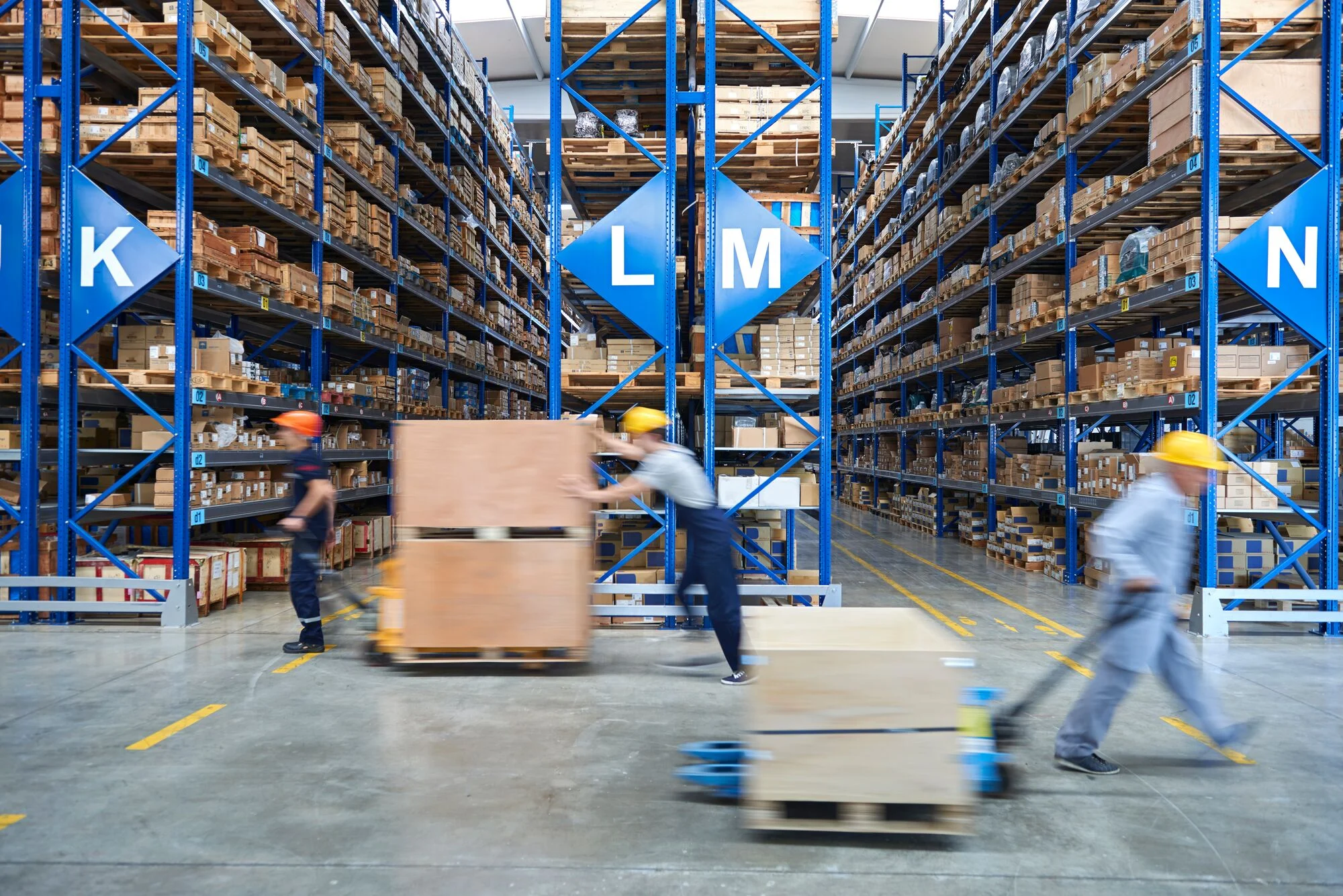
In today’s rapidly changing world of global trade, the United Kingdom has emerged as one of the most dynamic and strategically positioned nations for supply chain innovation. The UK Supply Chain Management Hub stands as a symbol of modern logistics, technology-driven solutions, and sustainable business practices. From small enterprises to multinational corporations, organizations across the UK are embracing smarter methods to manage procurement, logistics, inventory, and delivery networks more efficiently than ever before.
The Evolving Landscape of UK Supply Chains
Over the past decade, the UK has witnessed a significant transformation in the way goods move, data flows, and services are delivered. The exit from the European Union, known as Brexit, brought both challenges and opportunities that reshaped trade relationships and import–export structures. This shift encouraged UK-based companies to rethink their supply chain models, prioritize local sourcing, and build resilience through digital innovation.
The country’s geographical location—connecting Europe, North America, and Asia—positions it as a natural trade hub. Ports such as Felixstowe, Southampton, and Liverpool, along with logistics corridors like the Midlands Engine, have become essential for global distribution. The UK Supply Chain Management Hub concept integrates these physical networks with digital systems to ensure transparency, speed, and cost control.
Technology as the Core Driver
Technology has become the backbone of every successful supply chain operation in the UK. Automation, Artificial Intelligence (AI), and the Internet of Things (IoT) are no longer optional—they are essential tools for efficiency and accuracy.
Modern warehouses now rely on robotic systems for picking and packing goods, while AI-driven analytics predict demand patterns and optimize inventory levels.
Blockchain technology is also gaining popularity as it provides traceability and trust, allowing companies to track every step of a product’s journey from manufacturer to customer. The UK Supply Chain Management Hub leverages these technologies to create interconnected systems that reduce human error and enhance real-time decision-making.
Sustainability and Green Logistics
Environmental sustainability has become a core principle of UK supply chain management. With government initiatives such as the Net Zero Strategy, businesses are encouraged to reduce carbon footprints and adopt eco-friendly logistics.
Companies are switching to electric delivery fleets, using renewable packaging materials, and optimizing transport routes to minimize emissions.
The UK’s focus on circular supply chains—where materials are reused and recycled rather than discarded—reflects a deeper commitment to long-term sustainability. The Hub promotes collaboration between manufacturers, retailers, and consumers to build a system where environmental responsibility becomes a shared goal.
The Role of Data and Analytics
Data has become the lifeblood of modern supply chain management. Within the UK’s competitive market, decision-makers depend on data analytics to forecast demand, prevent disruptions, and reduce operational costs.
By collecting information from suppliers, warehouses, and customers, the Hub can visualize the entire supply chain in real time. This transparency allows businesses to identify weaknesses early and make informed adjustments before minor issues become costly delays.
For example, predictive analytics can forecast seasonal demands, while data visualization dashboards help managers monitor shipments, supplier performance, and customer satisfaction all in one place. This data-driven culture is what keeps UK supply chains agile and globally competitive.
Challenges Facing UK Supply Chains
Despite remarkable progress, the UK supply chain ecosystem continues to face several challenges. Rising energy prices, labor shortages, and international disruptions have tested the resilience of many industries.
Moreover, the complexity of global sourcing means that a single delay in one region can affect the entire network.
However, the UK Supply Chain Management Hub acts as a central platform to tackle these challenges through collaboration, innovation, and shared knowledge. By connecting businesses, logistics providers, and policymakers, it creates a space for strategic problem-solving and collective growth.
Building Resilient and Adaptive Systems
Resilience has become a defining factor in modern supply chain success. UK businesses are now investing in multi-sourcing strategies, nearshoring production, and building backup suppliers to avoid dependency on single markets.
Cloud-based systems have also allowed companies to operate remotely, maintaining visibility and control under all conditions.
Adaptability, flexibility, and continuous improvement are the key traits promoted by the UK Supply Chain Management Hub. Training programs, digital workshops, and professional certifications are also helping organizations upgrade their workforce with future-ready skills.
The Importance of Collaboration
No supply chain can operate in isolation. The Hub fosters partnerships between logistics companies, technology developers, and government agencies. Through initiatives like the UK Logistics Growth Program and Innovate UK, new opportunities for funding and research are emerging, driving innovation across the sector.
Collaboration also extends to international networks. The UK maintains strong connections with trade routes in Europe, Asia, and the Americas, ensuring that British businesses remain competitive in the global marketplace.
The Future of Supply Chain Management in the UK
Looking ahead, the UK supply chain industry is expected to become more automated, data-centric, and sustainable. Artificial intelligence will predict consumer needs with higher accuracy, drones may soon handle last-mile deliveries, and carbon-neutral logistics hubs will redefine green trade.
The integration of digital twins—virtual models of physical supply chains—will allow companies to simulate risks and test improvements before implementing them in real life.
These innovations will not only enhance performance but also help the UK maintain its position as a world leader in logistics and procurement.
Conclusion
The UK Supply Chain Management Hub represents more than a logistical network—it embodies the UK’s vision for intelligent, sustainable, and future-ready trade. By embracing technology, sustainability, and collaboration, the Hub enables businesses to operate smarter, faster, and more responsibly.
In a world where uncertainty has become the new normal, the UK continues to set an example for how innovation, resilience, and strategy can transform challenges into opportunities. The Hub’s mission is clear: to shape a supply chain ecosystem that connects the nation, powers industries, and builds a stronger future for global commerce.